What Should Kids Learn About Money at Every Age?
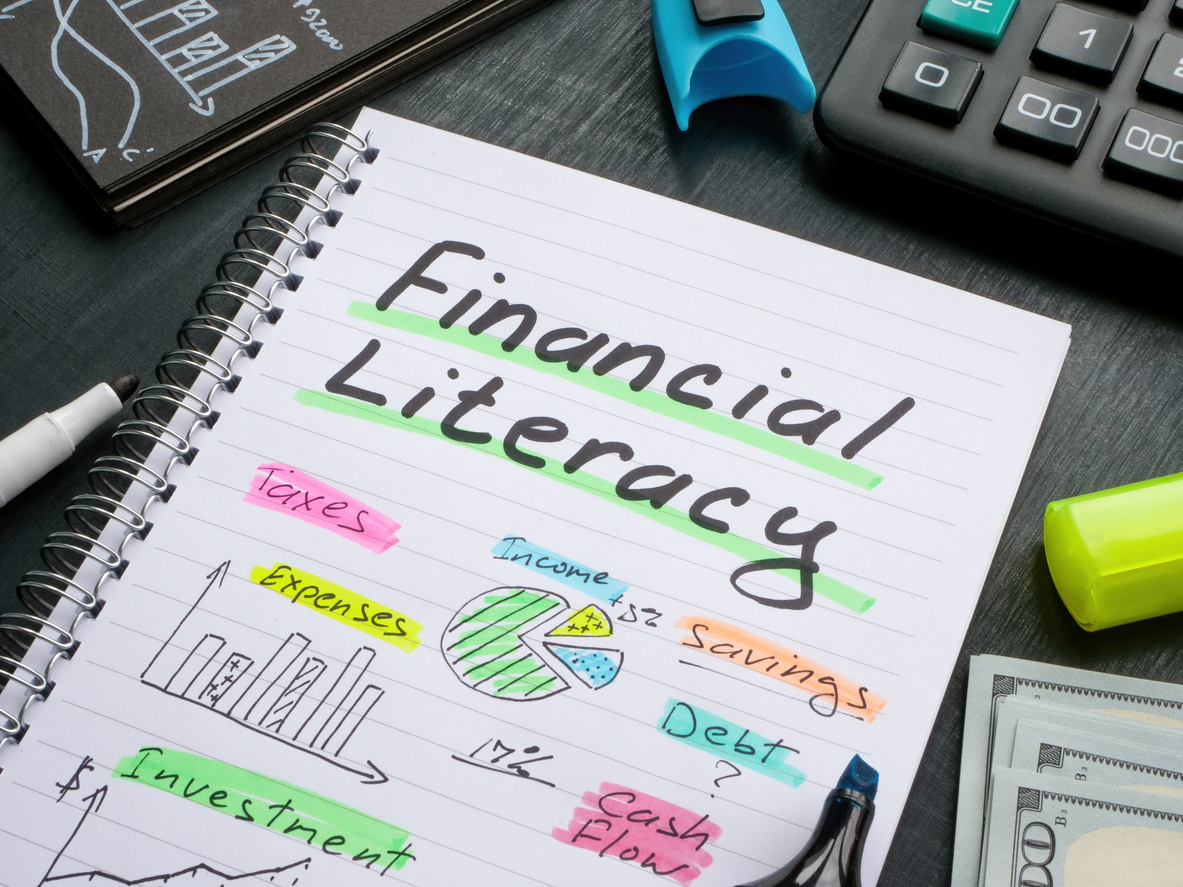
Teaching kids about money can feel overwhelming at first, but it does not have to be. Financial education often works best when it happens a little at a time, in ways that match a child’s age group, maturity, and everyday experiences.
From piggy banks and dimes at a young age to a debit card, checking account, or even a part-time job during the teen years, children and young adults can build money skills step by step. The goal is not to teach every financial concept all at once. The goal is to help kids understand how money works, build strong money habits, and gain confidence in managing money in real-life and real-world situations.
Here is a simple guide to the financial lessons kids can begin learning at every stage.
At a young age: start with simple money concepts
For children at a young age, the focus should be on basic money concepts and the value of money. This is a great time to introduce hands-on learning through piggy banks, coins, and simple conversations about saving money.
Kids can begin to understand:
- That money is used to buy things
- That dimes, dollars, and coins all have different values
- That saving money means waiting for something later
- That financial decisions involve choices
- That not every want, like a new toy or video game, becomes a purchase right away
At this stage, teaching kids through hands-on examples can make a big difference. Letting them place coins in piggy banks, count change, or save for something small helps build early financial literacy and introduces the importance of saving.
Elementary years: build everyday money habits
As kids grow, they can begin connecting money habits to everyday choices. This is a strong stage for introducing more personal finance basics and helping children practice decision-making.
Children in this age group can start learning:
- The difference between wants and needs
- How a savings account helps with saving money
- Why a bank account or credit union account is a safe place for own money
- How spending decisions affect financial goals
- Why financial responsibility matters in daily life
This is also a good time to talk about how families use money in real-life ways, whether that means grocery shopping, saving for a trip, or setting money aside for an emergency fund. These conversations help kids begin to understand money management in ways that feel practical and relatable.
Middle school: introduce stronger financial skills
By middle school, many kids are ready for deeper financial concepts. They can usually understand that managing money involves trade-offs, planning, and consequences.
This is a good time to begin teaching:
- How a checking account works
- The difference between a debit card and a credit card
- Why credit cards need to be used carefully
- How mobile banking fits into modern money management
- How compound interest can help savings grow over time
- Why the importance of saving becomes even greater when goals get bigger
Middle school is also a good time to connect financial literacy to real-world choices. Kids can begin to see that buying snacks every day, spending money in a game, or saving toward something larger all reflect different financial decisions. These lessons help them handle money with more confidence and awareness.
High school: prepare for financial independence
High school is an important stage for building financial skills that support financial independence. Teenagers are getting closer to adulthood, and many begin earning their own money through a part-time job, receiving a debit card, or opening a checking account.
Financial lessons during high school can include:
- Creating simple budgets
- Managing money from a part-time job
- Understanding how a bank account, savings account, and checking account work together
- Learning how credit cards can build debt if not managed wisely
- Setting short- and long-term financial goals
- Understanding student loans and how borrowing affects the future
- Thinking about larger goals like an emergency fund or even retirement savings
At this stage, financial education becomes especially valuable because teens are starting to make more of their own financial decisions. Helping them understand personal finance before they leave home can make a meaningful difference in how they approach adulthood.
The teen years and young adulthood: connect lessons to real life
During the teen years, young adults need opportunities to apply financial concepts in real-life situations. It is one thing to hear about saving money. It is another to make spending decisions with their own money, balance priorities, and understand what financial responsibility looks like in action.
This is where parents and caregivers can help reinforce:
- The importance of saving consistently
- How money habits shape long-term outcomes
- Why financial literacy matters for everyday life
- How to manage a debit card responsibly
- When credit card use can become risky
- How financial independence grows through wise decision-making
These are the years when money skills become more than theory. They become part of how young adults handle money, plan ahead, and prepare for bigger milestones.
Start where they are
Every child is different, and every age group will be ready for different financial lessons. What matters most is starting where they are and building from there. Whether your child is learning with piggy banks, opening a savings account, comparing spending decisions, or preparing for life after high school, each step helps strengthen financial literacy and confidence.
Blue is proud to be a resource for families who want support in teaching kids practical money skills. Through Blue University, the Raising Money Smart Kids course helps parents and caregivers explore how money works, build healthy money habits, and guide children toward smart financial decisions at every stage. From early saving money lessons to preparing young adults for financial independence, Blue and Blue University are here to support your family’s financial journey.
Related Content
If the section requires context → include short subheading.