

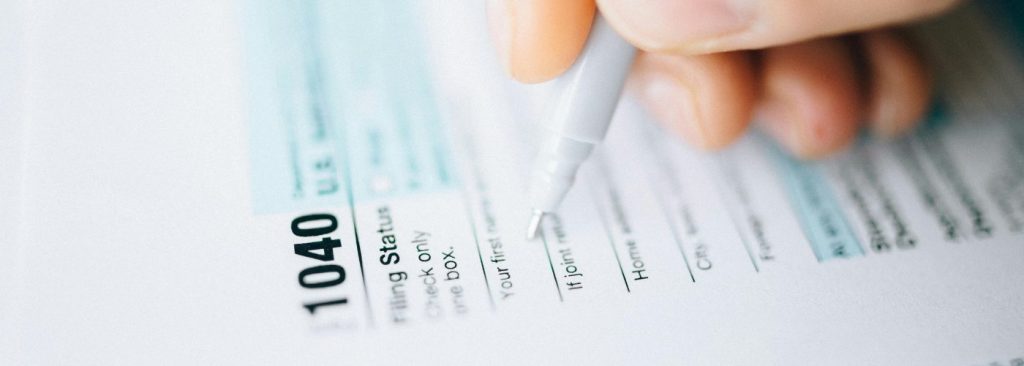
Tax Season Scams: Don’t Get Played! How to Spot and Avoid Fraud
Tax season is here, and while you’re focused on getting your returns filed, scammers are working overtime to trick hardworking people like you. At Blue, we’ve got your back! Let’s break down some of the most common tax scams so you can stay ahead of the game.
IRS Impersonators Asking for Gift Cards? Nope, Not Legit!
Scammers pretending to be from the IRS may claim you owe back taxes and threaten arrest unless you pay immediately. A huge red flag? They ask for payment in gift cards or wire transfers. Let’s be clear—the real IRS will never demand payment this way. If something smells fishy, trust your gut! The IRS typically contacts taxpayers by mail first—not over the phone or via email.
Scammers may also use fake caller ID information to make it look like they are calling from an official IRS number. This tactic, known as spoofing, can make the call appear more credible. However, the IRS will not initiate contact by phone, email, or social media regarding a bill or refund without first mailing you an official notice. If you receive a suspicious call, do not provide any personal or financial information. Instead, hang up and report the call to the Treasury Inspector General for Tax Administration (TIGTA).
Fake Calls from the FDIC? Hang Up!
Fraudsters might pose as representatives from the Federal Deposit Insurance Corporation (FDIC) and try to get you to share personal banking details. Don’t fall for it! The FDIC does not contact individuals directly about personal banking matters. If someone’s pressuring you to move money to “protect” your account, it’s a scam. Full stop.
Some of these scams involve criminals using high-pressure tactics to make you feel rushed or threatened. They might claim that your account will be frozen if you don’t act quickly or that a security breach has put your funds at risk. These claims are meant to create fear and urgency, forcing you to act without thinking. Always take a step back and verify the legitimacy of the call by contacting your financial institution directly.
Scammers Threatening to Cancel Your SSN? Not a Chance!
Some fraudsters claim that your Social Security Number (SSN) is at risk or has been compromised—and unless you pay up, they’ll suspend it. Big lie! The Social Security Administration will never ask for payments over the phone. If you get a call like this, just hang up. Better yet, block the number!
Scammers often use official-sounding language to convince you that their threats are real. They may say things like “your SSN has been linked to suspicious activity” or “we need you to confirm your identity to avoid penalties.” These tactics prey on fear and confusion. Remember, no government agency will ever demand money or threaten you with legal action over the phone.
Fake Letters or Calls from the ‘Bureau of Tax Enforcement’? Nope, That’s Not Real.
Here’s the deal: there is no such agency. Scammers send fake letters or make calls pretending to be from a made-up government department, demanding immediate payment or personal details. If you’re ever unsure about a tax-related communication, verify it by contacting the IRS directly.
These fake notices often look official, with letterheads and logos designed to mimic real government correspondence. They may include bogus case numbers, scare tactics, and payment instructions directing you to deposit funds into fraudulent accounts. If you receive a suspicious letter, compare it to official IRS notices online and contact the IRS to confirm its legitimacy.
Fraudulent Tax Transcript Emails? Don’t Click!
If you get an email claiming to be from the IRS with an attachment or link to a tax transcript, don’t open it! These emails often contain malware designed to steal your personal information. The IRS does not send unsolicited emails with attachments—period. If it’s unexpected, delete it and report it.
Scammers use phishing emails to trick people into clicking on malicious links. These emails often contain urgent messages, claiming that you need to verify your tax return information immediately. Clicking on these links can download harmful software that allows criminals to steal your data. Protect yourself by never clicking on unknown links and always verifying the sender before opening any attachments.
How to Stay One Step Ahead of Tax Scammers
Scammers are crafty, but you’re smarter! Follow these simple steps to stay safe:
- Use IRS Online Tools: Access your IRS account directly rather than relying on unsolicited messages.
- Set Up an IRS PIN: A Personal Identification Number (PIN) adds an extra layer of security to your tax filings.
- Never Share Personal Info: Don’t give out your Social Security, banking, or tax details over the phone or email unless you initiated the contact.
- Verify IRS Communication: The IRS will only contact you via mail for sensitive matters—never through email or text.
- Watch for Urgency Tactics: Scammers want you to panic and act fast. Take your time and verify any claims before taking action.
- Use a Trusted Tax Pro: A certified tax professional can help ensure your filings are secure and legitimate.
- Monitor Your Credit Report: Regularly check for signs of fraud or identity theft linked to tax scams.
Another essential step in protecting yourself is staying informed about the latest scam tactics. Scammers are constantly evolving their strategies, so regularly checking updates from trusted sources like the IRS, the Federal Trade Commission (FTC), and Blue can help you stay ahead of potential threats. Educating yourself and others about these scams can go a long way in preventing fraud.
Blue’s Got Your Back
At Blue, we’re more than just a credit union—we’re your financial partner. Your security matters to us, and we’re here to help you navigate tax season safely. If you ever feel unsure about a suspicious call, email, or letter, reach out to us. We’re here for you!
Staying vigilant and cautious can make all the difference. Always take the time to verify any claims made by someone requesting money or personal information. If something feels off, trust your instincts and double-check before taking action. Reporting scams can also help prevent others from becoming victims.
Keep up to date on our Security page, stay smart, stay safe, and let’s make this tax season scam-free—together!