

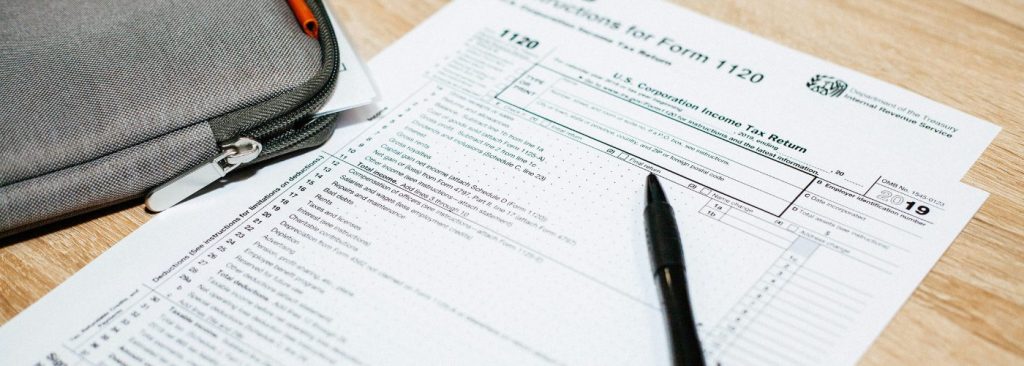
Protecting Your Finances: Tax Scams You Need to Know to Secure Your Future
According to the Federal Trade Commission, in 2023, Americans reported losing more than $10 billion to fraud and scams. Tax season can be stressful, and falling prey to scams can be even more worrisome. Criminals often use this time of year to scam individuals by pretending to be IRS agents or government representatives. Blue Federal Credit Union understands these risks and is invested in ensuring our members know about these scams to protect them on their financial journey.
Here are five tips to avoid being scammed:
- Unsolicited Communication: The IRS will never initiate contact with you via email, text message, or social media. If you receive a digital message from someone claiming to be from the IRS, it’s likely a scam. Never give out your Social Security number or other sensitive information over the phone or in an email. The IRS already has this information and won’t need to ask for it.
- Verify the Identity of the Person or Organization Contacting You: If you’re unsure whether an IRS letter is legitimate, you can call the IRS directly to verify.
- Beat the Scammers: Filing your return early reduces the risk of someone else filing a fraudulent return in your name.
- Protect Your Online Accounts: Use unique, strong passwords for your banking and tax-related accounts. Enable two-factor authentication whenever possible.
- Regularly Review Bank and Credit Card Statements: Look for any unauthorized transactions. Report discrepancies promptly.
Mistakes can happen; sometimes, we react quickly without thoroughly evaluating the situation. If you have already provided a scammer with sensitive information, here are steps you can take to protect yourself:
- Contact your financial institution to stop any transactions,
- Change your passwords,
- Monitor your accounts for any unauthorized activity.
- Report the scam to the Federal Trade Commission (FTC) and the IRS,
- Seek guidance from a reputable tax professional on how to proceed and protect your finances.
Remember to report any communication to the IRS by forwarding the message to phishing@irs.gov. Additionally, you can contact the IRS directly by calling the toll-free number at 1-800-829-1040. Remember, the IRS will never initiate contact with you via email, text message, or social media. Stay safe and protect your personal information from scammers.